
The Link Between Pelvic Pain and Uterine Fibroid Symptoms
Many women live with heavy periods, chronic pelvic pain, or unexplained pressure without ever being given a clear explanation. These symptoms can slowly take over daily life, yet they are often dismissed as “normal.” In reality, these issues commonly point to a single underlying condition: uterine fibroids. Although fibroids are benign, they can create significant symptoms depending on their size and location. Recognizing those signs is the first step toward getting meaningful relief.
Below, we outline the nine key indicators that may suggest fibroids are playing a role in your symptoms. Understanding these patterns helps you make informed decisions and seek appropriate treatment.
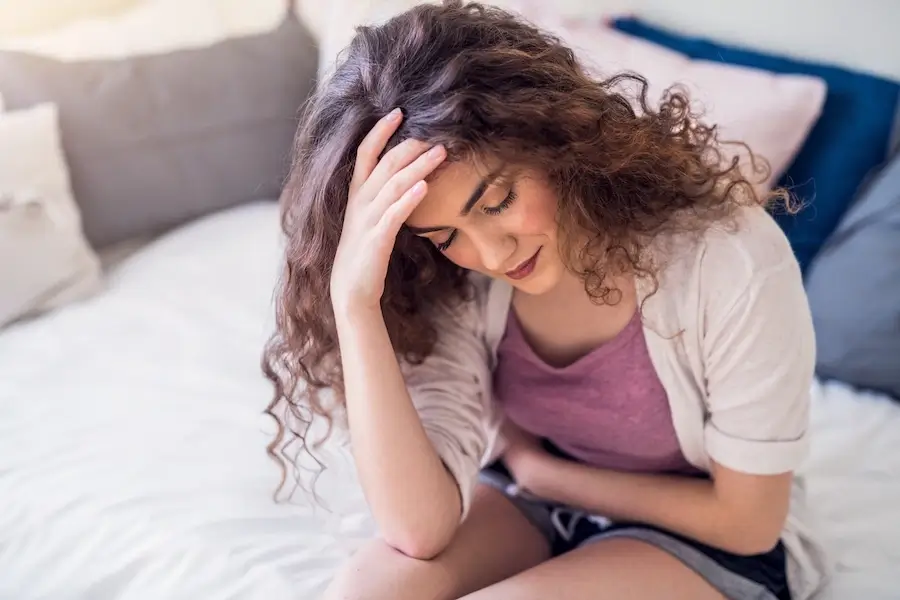
1. What Are Fibroids and How They Cause Symptoms
Before reviewing specific symptoms, it’s important to understand what fibroids are. Fibroids, also called leiomyomas, are non-cancerous growths that develop within the muscular wall of the uterus. They can remain small or grow large enough to distort the shape of the uterus. Their location determines the type and severity of symptoms: fibroids pushing into the uterine cavity often cause bleeding, while those pressing outward may create pain or pressure.
2. Excessive Menstrual Flow
Heavy bleeding is one of the most common and disruptive fibroid-related symptoms. Periods lasting longer than seven days, soaking through pads or tampons every hour, or passing large clots are all signs of abnormal bleeding. This level of blood loss can lead to anemia and chronic fatigue, often making work, social activities, and daily responsibilities more difficult to manage.
3. Persistent Pelvic Pain
Fibroids can cause ongoing pelvic pain that ranges from a dull ache to sharp, debilitating discomfort. Pain may be caused by the fibroids pressing on surrounding organs or from internal changes within the fibroid tissue itself. Many women notice this discomfort intensifies during their menstrual cycle but may also persist between periods.
4. Backache and Leg Discomfort
Fibroids located along the back wall of the uterus may press on nearby nerves. This can lead to lower back pain that becomes more noticeable around menstruation and may radiate into the hips or legs. When these symptoms appear without a clear orthopedic cause, fibroids may be involved.
5. Frequent Urination
When fibroids develop on the front wall of the uterus, they can place direct pressure on the bladder. This often leads to frequent urination, difficulty fully emptying the bladder, or even mild incontinence. These symptoms may be especially noticeable at night or when coughing or laughing.
6. Constipation and Bloating
Fibroids pressing against the colon or rectum can slow digestion and make bowel movements more difficult. Chronic constipation, bloating, or a persistent sense of fullness in the lower abdomen can all result from this pressure. These symptoms are frequently misattributed to diet or stress when fibroids are actually the cause.
7. Pain During Intercourse
Pain with intercourse, or dyspareunia, may occur when fibroids are positioned near the cervix or deep within the pelvis. This symptom can be emotionally and physically draining, often affecting intimacy and causing couples to avoid sexual activity altogether. Identifying the cause is important so the issue can be appropriately treated.
8. Abdominal Swelling or Enlargement
Large or multiple fibroids can cause the abdomen to appear swollen or enlarged, sometimes to the point of resembling early pregnancy. While not always painful, this fullness can be uncomfortable and may contribute to self-consciousness or difficulty wearing certain clothing.
9. When to Seek Professional Fibroid Treatment
If you recognize any of these symptoms, it is important to speak with a qualified specialist. Chronic pain, heavy bleeding, or persistent pressure should not be accepted as part of life. A gynecologist or interventional radiologist can determine whether fibroids are the cause and help you explore treatment options such as Uterine Fibroid Embolization, a minimally invasive therapy that preserves the uterus and offers long-term relief.
Final Thoughts
You do not have to endure heavy bleeding, pelvic pain, or the many other issues associated with fibroids. Understanding what fibroids are and recognizing their symptoms is the first step toward reclaiming control over your health. Today’s medical treatments offer safe, effective solutions that can dramatically improve your quality of life and allow you to move forward with clarity and confidence. Contact us today!
Frequently Asked Questions
No. More than 99 percent of fibroids are benign. While the chance of a cancerous growth is extremely low, evaluating symptoms early helps ensure safe, appropriate care.
Fibroids often shrink naturally after menopause when estrogen levels decline. Before menopause, however, they usually continue to grow and may require treatment if symptoms become disruptive.
Hormonal medications can offer short-term relief, but they do not treat the fibroids themselves. Uterine Fibroid Embolization is an effective nonsurgical option that cuts off blood supply to the fibroids, often reducing heavy bleeding within the first few cycles.
Yes. Fibroids located toward the back of the uterus can press on the colon, leading to constipation, bloating, and a sense of abdominal fullness.