
Understanding the Uterine Fibroid Embolization Recovery Timeline
One of the strongest advantages of Uterine Fibroid Embolization is its shorter and more predictable recovery when compared with traditional surgery. Because this is a minimally invasive procedure performed through a tiny pinhole, the body experiences far less trauma. Still, recovery is a step-by-step process that requires rest, pain management, and realistic expectations.
This guide outlines the seven key stages of the UFE recovery timeline, giving you a clear picture of what to expect from the moment the procedure ends through long-term symptom improvement.
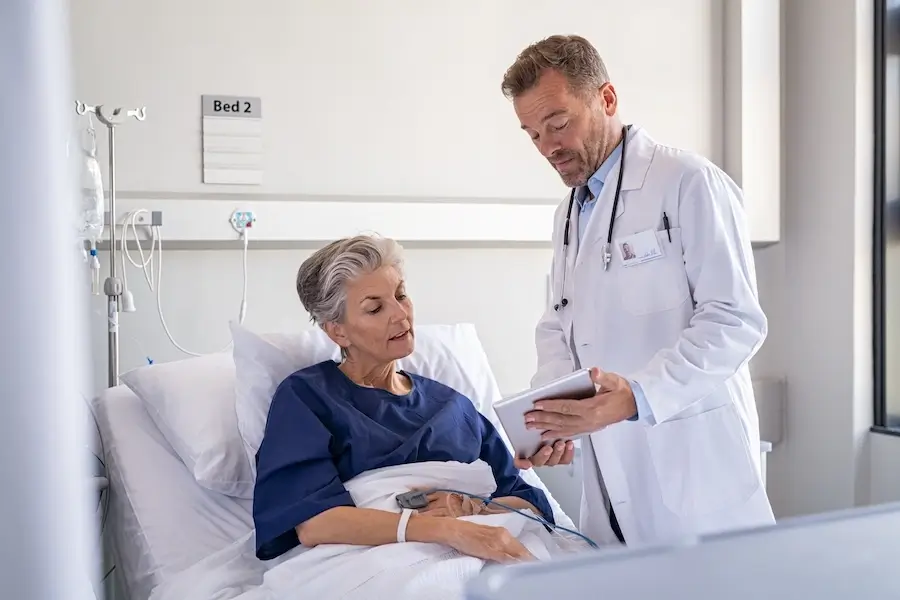
1. The Immediate Post-Procedure Period
Once the procedure is complete, the care team monitors your stability and comfort.
Focus: Observing the access site in the wrist or groin, checking vital signs, and treating early pelvic discomfort with IV medications.
Duration: Two to four hours in the recovery room.
2. Managing the First 24 to 48 Hours
This phase is when Post-Embolization Syndrome tends to peak.
Action: You will receive prescription pain medication and anti-nausea medication. Staying ahead of discomfort by taking medicine on schedule is essential.
Duration: The first one to two days after the procedure.
3. Short Hospital Stay and Discharge
Most women go home the same day or the following morning.
Criteria: You should be able to walk, drink fluids, and manage pain with oral medication before leaving the facility.
Benefit: This fast discharge is one of the defining advantages of minimally invasive fibroid treatment.
4. The First Week at Home
The first week focuses on rest and gentle movement.
Activity: You can walk around the house but should avoid stairs when possible, lifting more than ten pounds, or straining.
Symptoms: Mild fever, fatigue, and flu-like symptoms are common as the fibroids begin to shrink. These typically improve steadily with rest.
5. Returning to Normal Activities
One of the main benefits of minimally invasive treatment is the quick return to routine tasks.
Timeline: Most women resume desk work or light activity within five to seven days.
Restrictions: Strenuous exercise, heavy lifting, and swimming are usually avoided for two to four weeks.
Key indicator: Listen to your body. If an activity increases pain or drains your energy, scale back.
6. Follow-Up Imaging and Symptom Check
Follow-up appointments ensure the treatment is working as expected.
Timeline: A check-up is typically scheduled at one to two weeks, with MRI imaging performed around three to six months.
Goal: Your doctor confirms fibroid shrinkage and evaluates improvements in symptoms such as heavy bleeding and pelvic pressure.
7. Long-Term Symptom Resolution
The final stage brings the long-term improvements many patients look forward to.
Timeline: Maximum shrinkage and symptom relief generally occur between six and twelve months. Many women notice that heavy bleeding improves by the third menstrual cycle.
Outcome: Most patients achieve a significant and lasting reduction in symptoms.
Final Thoughts
The UFE recovery timeline combines a rapid physical recovery with gradual, meaningful improvement in long-standing symptoms. Understanding each stage helps you prepare for time off work, manage discomfort effectively, and feel confident throughout the process. With proper rest and follow-up care, Uterine Fibroid Embolization offers long-term relief and a return to a more comfortable, symptom-free life. Request an appointment with us today!
Frequently Asked Questions
No. UFE requires only a tiny pinhole incision in the wrist or groin. The mark is usually comparable to a freckle and becomes almost invisible over time.
Most patients take five to seven days off, which is one of the major advantages compared with the four to eight weeks required after open surgery.
Light walking is encouraged immediately. Strenuous activities, running, and heavy lifting are generally postponed for two to four weeks, depending on your specialist’s guidance.