
Why Minimally Invasive Fibroid Treatment Is the Future of Women’s Health
For many years, women with symptomatic fibroids had only one standard path: major surgery. Hysterectomy removed the uterus entirely, and myomectomy required surgical removal of the fibroids themselves. While these remain important options, advances in medical technology have dramatically expanded what is now possible. Increasingly, women are choosing minimally invasive fibroid treatment because it offers strong results with far less disruption to their lives.
Among these modern options, Uterine Fibroid Embolization has become a leading choice. Below are the seven reasons why minimally invasive care is shaping the next generation of women’s health.
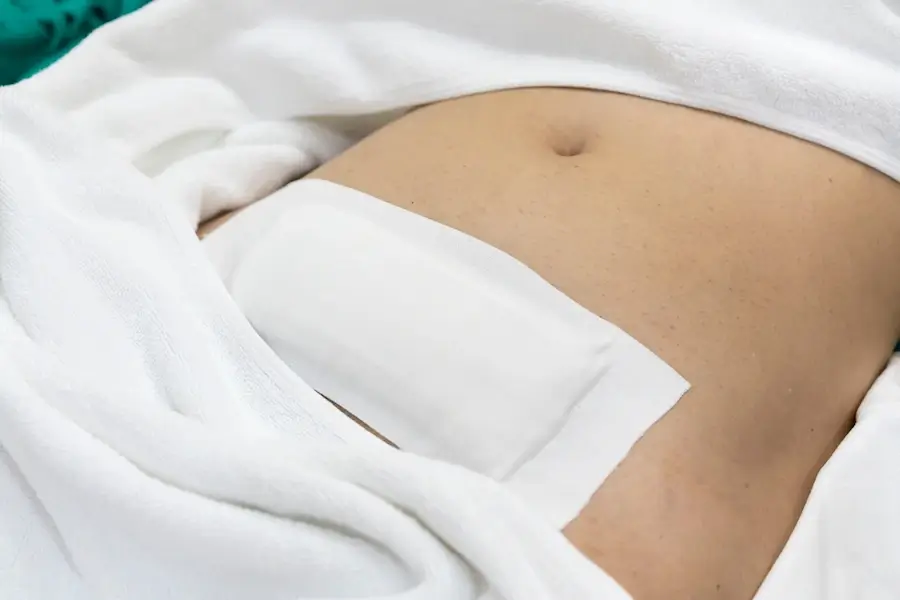
1. Shorter Recovery
Recovery time is one of the clearest advantages. Open surgery often requires weeks of healing due to large abdominal incisions. By contrast, UFE allows most women to return to normal activities within about a week. The difference in downtime is significant for women balancing work, family, and daily responsibilities.
2. Reduced Risk of Complications
Avoiding large incisions and general anesthesia naturally lowers the risk profile. UFE does not involve cutting through muscle or removing organs, which means fewer complications such as excessive bleeding, infection, or injury to the bladder or bowel. For many women, this safety advantage is a major deciding factor.
3. Uterus Preservation
Preserving the uterus is important for many women, whether for future fertility or for personal and emotional reasons. UFE treats the fibroids directly while leaving the uterus in place. Hormonal balance and natural anatomy are maintained, which often contributes to a stronger sense of well-being and control over one’s health.
4. Less Pain and Minimal Scarring
Minimally invasive procedures focus on reducing trauma to the body. UFE is performed through a very small pinhole entry, usually in the wrist or groin. This results in minimal scarring and significantly less post-procedure pain. Most discomfort resolves quickly with medication, allowing women to transition smoothly back into daily life.
5. High Efficacy in Treating Fibroid Symptoms
These treatments are not a compromise. Clinical research consistently shows that UFE provides long-lasting relief for heavy bleeding, pelvic pressure, and bulk-related symptoms. Over 85 percent of patients report meaningful improvement. Because UFE treats the blood supply feeding the fibroids, it can address all fibroids at once regardless of their number or size.
6. Outpatient or Short Hospital Stay
UFE is performed in an outpatient setting or may require just one overnight stay. This eliminates the long hospital recovery associated with major surgery. Being able to rest at home shortly after the procedure is both physically and emotionally beneficial for most patients.
7. Broad Eligibility for Non-Surgical Care
Many women with numerous or large fibroids are told surgery is their only option. Minimally invasive treatments change that. UFE works by blocking blood flow rather than individually removing each fibroid, making it an excellent option for complex cases or for women who are not ideal candidates for major surgery.
Final Thoughts
Minimally invasive fibroid treatment represents a major shift in women’s health. With shorter recovery, lower risks, and strong long-term results, procedures like Uterine Fibroid Embolization give women access to effective care without undergoing major surgery. If you are experiencing fibroid symptoms, exploring these modern, non-surgical options may help you find the relief and quality of life you deserve. Request an appointment with us today!
Frequently Asked Questions
UFE works by guiding tiny particles into the vessels that supply blood to the fibroids. Once the blood flow is blocked, the fibroids soften, shrink, and gradually stop causing symptoms.
No. Other options include laparoscopic or robotic myomectomy and MRI-guided focused ultrasound. However, UFE is the least invasive method that can treat all fibroids at once.
Most UFE procedures last one to three hours. Afterward, patients stay for a few hours of monitoring before going home or staying overnight for comfort and pain control.